

Yellowstone and the Smithsonian: Centers of Wildlife Conservation
Product details
| Management number | 233634806 | Release Date | 2026/06/27 | List Price | US$9.76 | Model Number | 233634806 | ||
|---|---|---|---|---|---|---|---|---|---|
| Category | |||||||||
In the winter of 1996–97, state and federal authorities shot or shipped to slaughter more than 1,100 Yellowstone National Park bison. Since that time, thousands more have been killed or hazed back into the park, as wildlife managers struggle to accommodate an animal that does not recognize man-made borders.Tensions over the hunting and preservation of the bison, an animal sacred to many Native Americans and an icon of the American West, are at least as old as the nation’s first national park. Established in 1872, in part “to protect against the wanton destruction of the fish and game,” Yellowstone has from the first been dedicated to preserving wildlife along with the park’s other natural wonders. The Smithsonian Institution, itself founded in 1848, viewed the park’s resources as critical to its own mission, looking to Yellowstone for specimens to augment its natural history collections, and later to stock the National Zoo. How this relationship developed around the conservation and display of American wildlife, with these two distinct organizations coming to mirror one another, is the little-known story Diane Smith tells in Yellowstone and the Smithsonian.Even before its founding as a national park, and well before the creation of the National Park Service in 1916, the Yellowstone region served as a source of specimens for scientists centered in Washington, D.C. Tracing the Yellowstone-Washington reciprocity to the earliest government-sponsored exploration of the region, Smith provides background and context for many of the practices, such as animal transfers and captive breeding, pursued a century later by a new generation of conservation biologists. She shows how Yellowstone, through its relationship with the Smithsonian, the National Museum, and ultimately the National Zoo, helped elevate the iconic nature of representative wildlife of the American West, particularly bison. Her book helps all of us, not least of all historians and biologists, to better understand the wildlife management and conservation policies that followed. Read more
| ASIN | B01MSCY2YZ |
|---|---|
| XRay | Not Enabled |
| ISBN13 | 978-0700623907 |
| Edition | 1st |
| Language | English |
| File size | 8.7 MB |
| Page Flip | Enabled |
| Publisher | University Press of Kansas |
| Word Wise | Enabled |
| Print length | 211 pages |
| Accessibility | Learn more |
| Screen Reader | Supported |
| Publication date | February 17, 2017 |
| Enhanced typesetting | Enabled |
Bestseller ranking
West


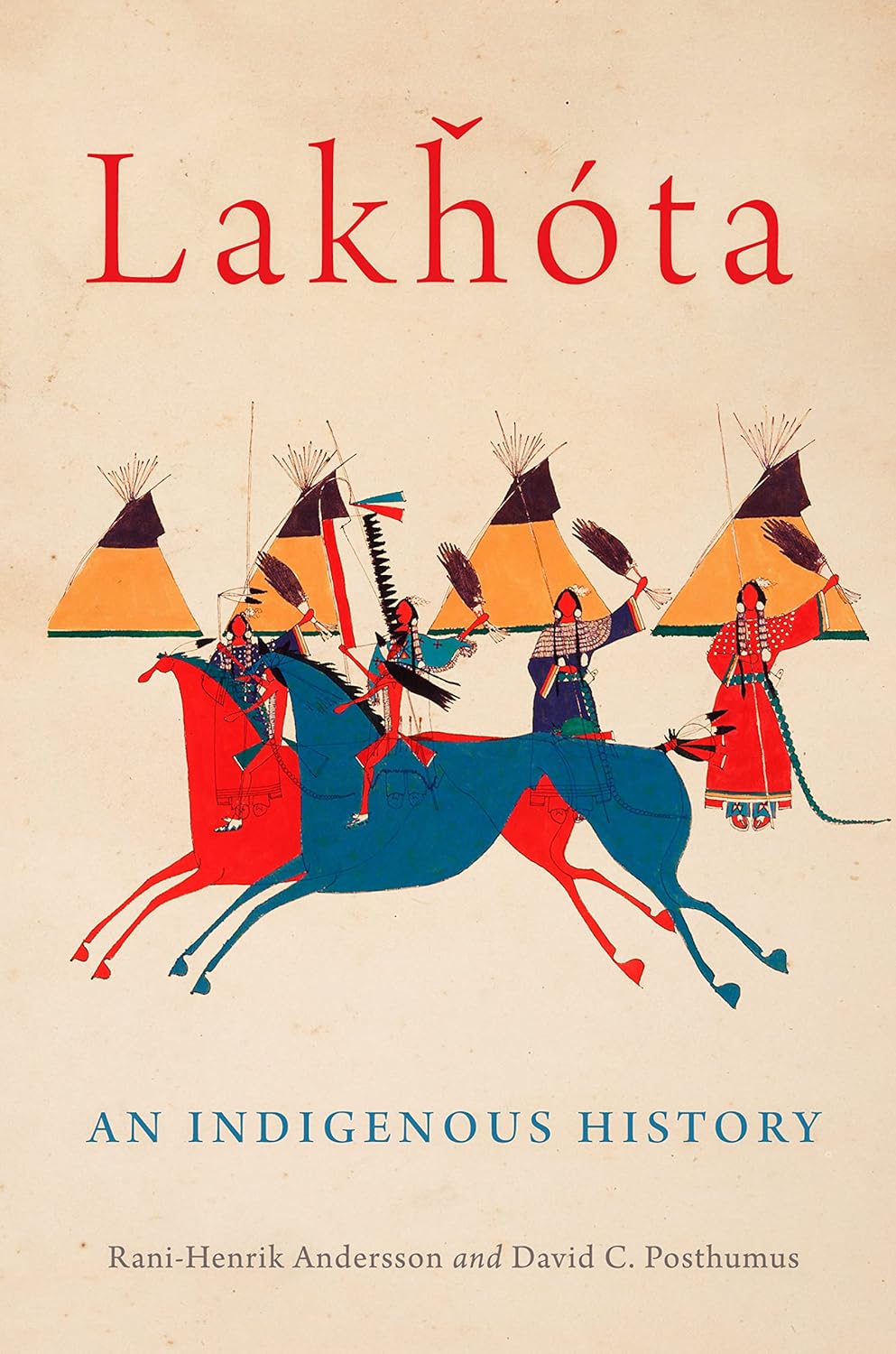



Customers who viewed this product also viewed
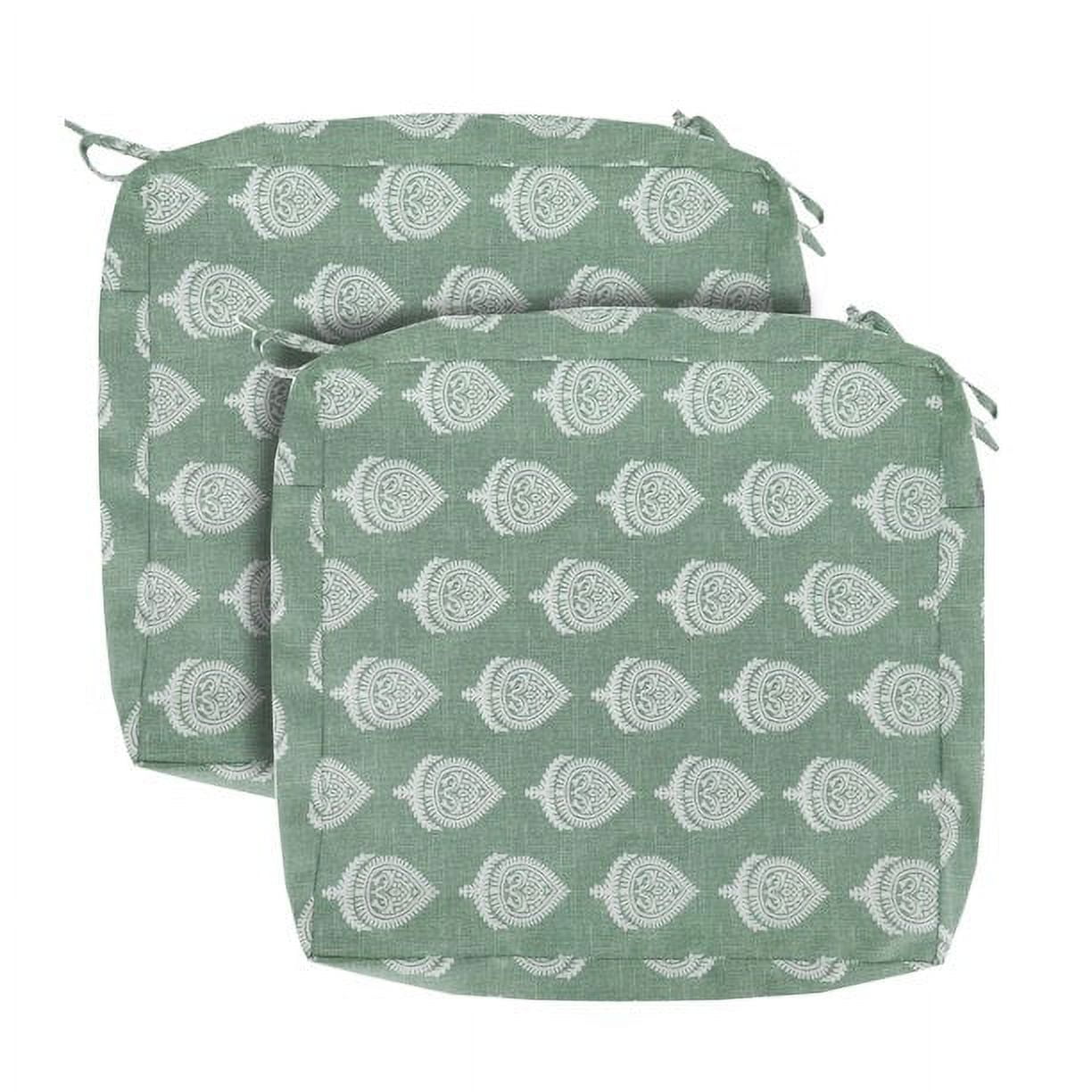
Shop All Outdoor Chair Cushions





Correction of product information
If you notice any omissions or errors in the product information on this page, please use the correction request form below.
Correction Request Form